CASOS / EXPEDIENTES DE APLICACIÓN

La condición de servicio decide el sello.

Expedientes anonimizados convierten la ventana operativa en una ruta de sellado.

07 APPLICATION FILESHC SEALS / GUANGZHOU
01APPLICATION FILE

Construction hydraulic cylinders: dust, pressure and side load hit the rod seal together.

Rod-end leakage is usually a system result: contamination, side load, pressure peaks and surface damage combine.

Rod seal and wiper are one interface. External dust carried by the wiper is pressed into the lip; guide wear and side load shift contact pressure; a growing gap creates extrusion risk under pressure.

The engineering route reads used-part wear position, then checks rod surface, guide clearance, pressure peaks and cleaning condition. Material and structure are re-baselined against media temperature and load profile.

Engineering controls
  • Inspect rod scoring, skewed lip wear, wiper contamination and extrusion
  • Re-measure guide clearance, alignment and surface texture
  • Record pressure peaks, impact rate, dust and cleaning method
  • Control rod seal, wiper and guide as one interface
HC PRODUCTS IN THIS CASE

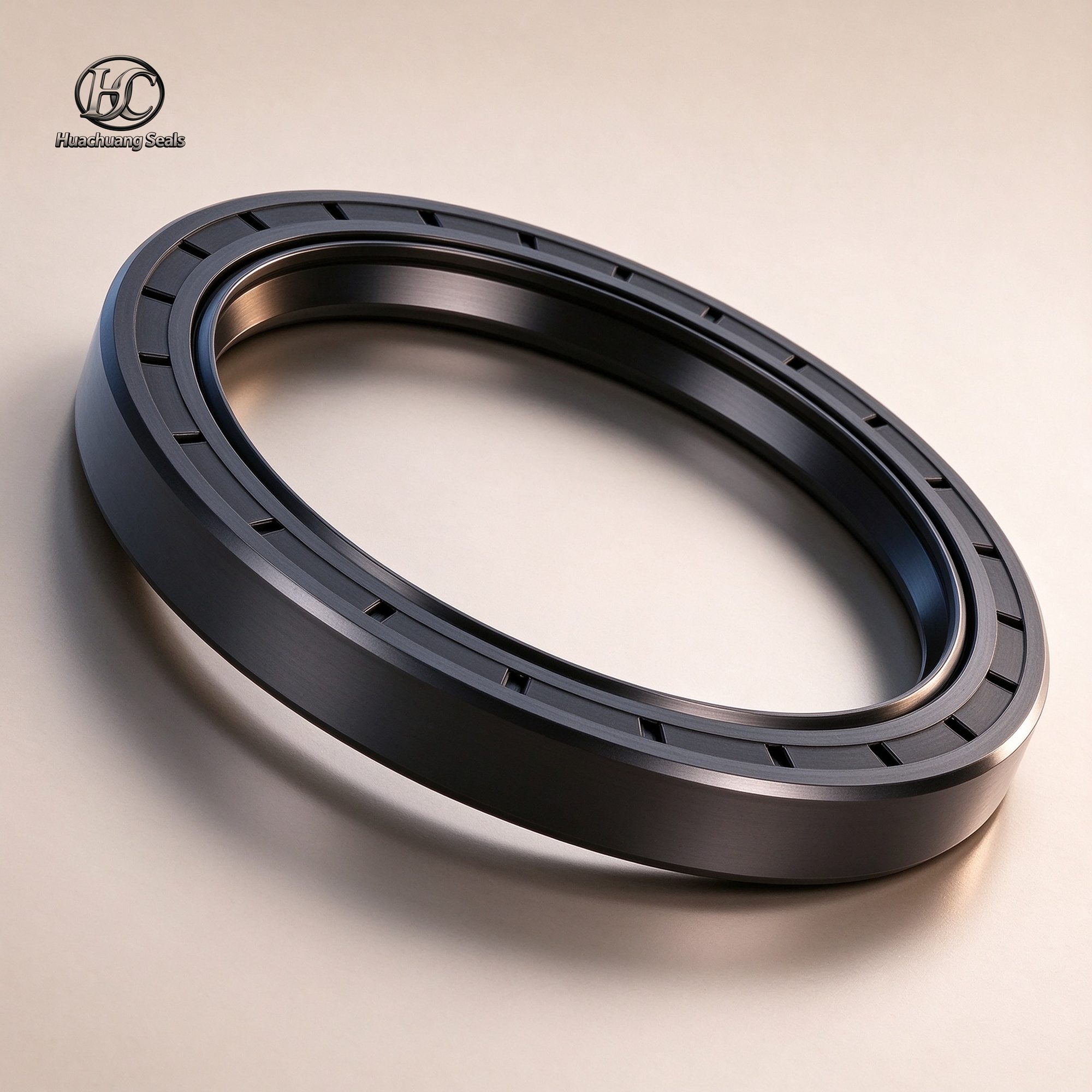
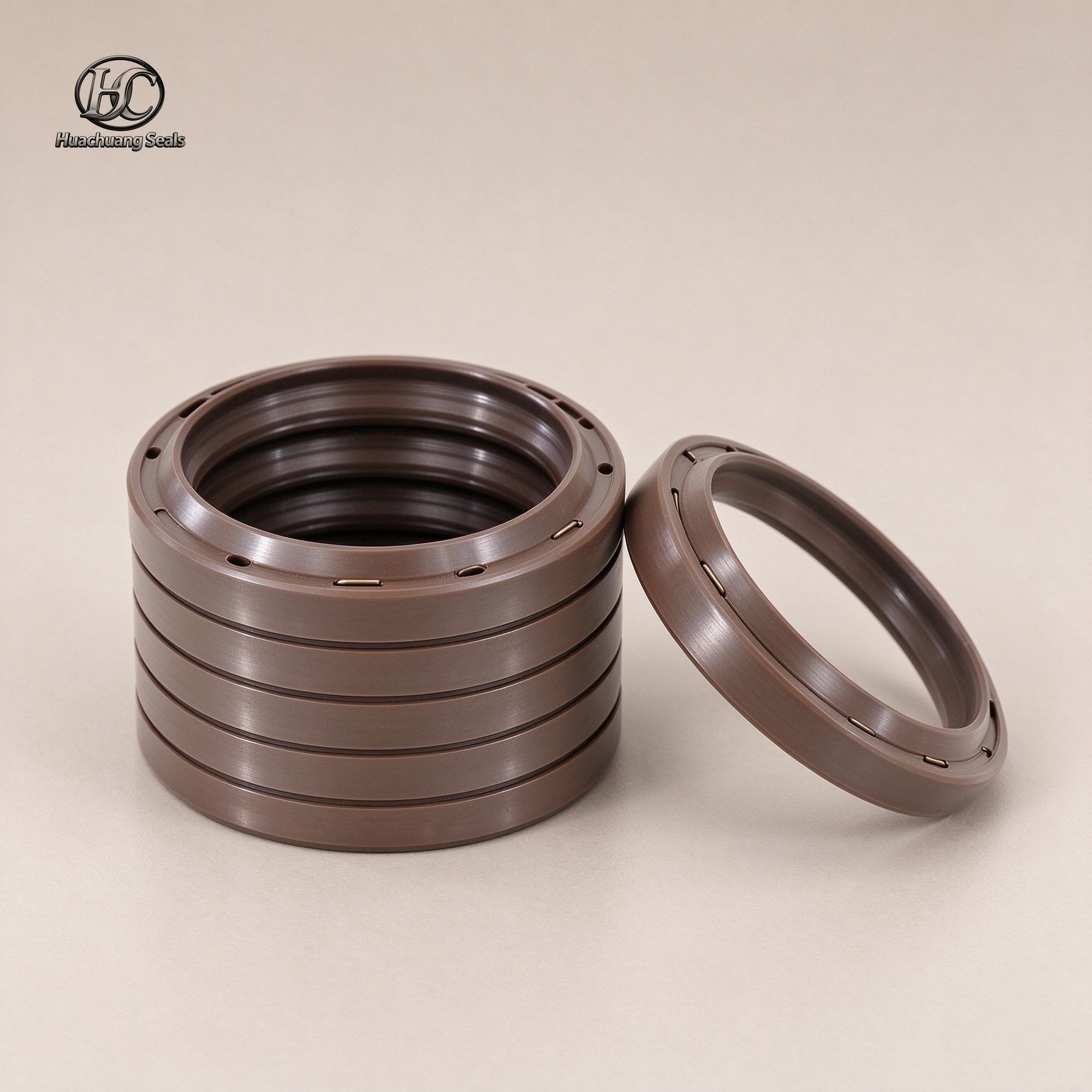
This case is linked to HC-CM-004 Rod Y-Seal R08 and HC-CM-001 Polyurethane Y-Seal Strip. R08 seals the reciprocating rod interface of hydraulic cylinders in PU/NBR for the stated 35 MPa and -35 to +80 °C duty; the Y-seal strip serves the matching Y-profile interface in the same actuator family. Wiper and guide elements control dust, side load and leakage.
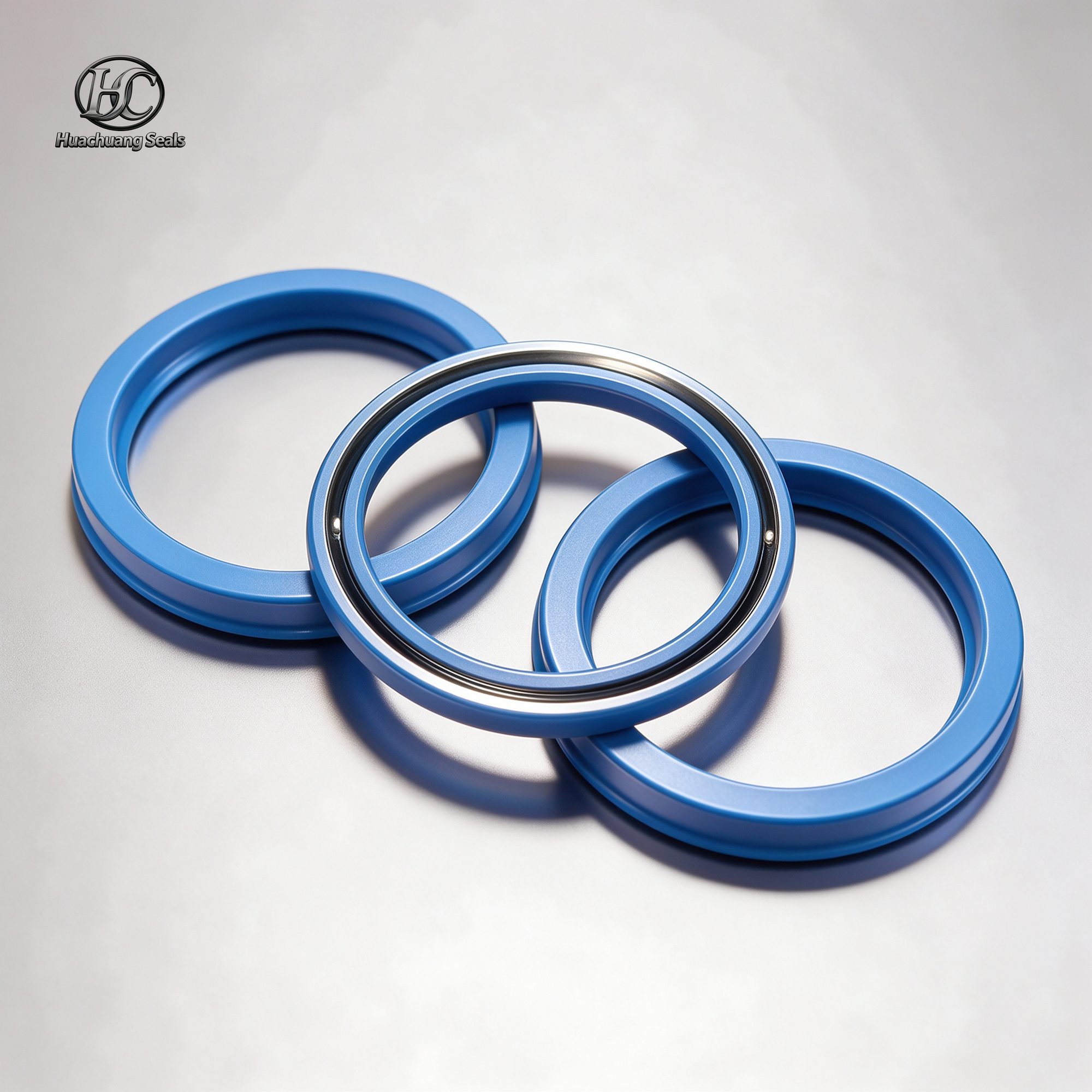
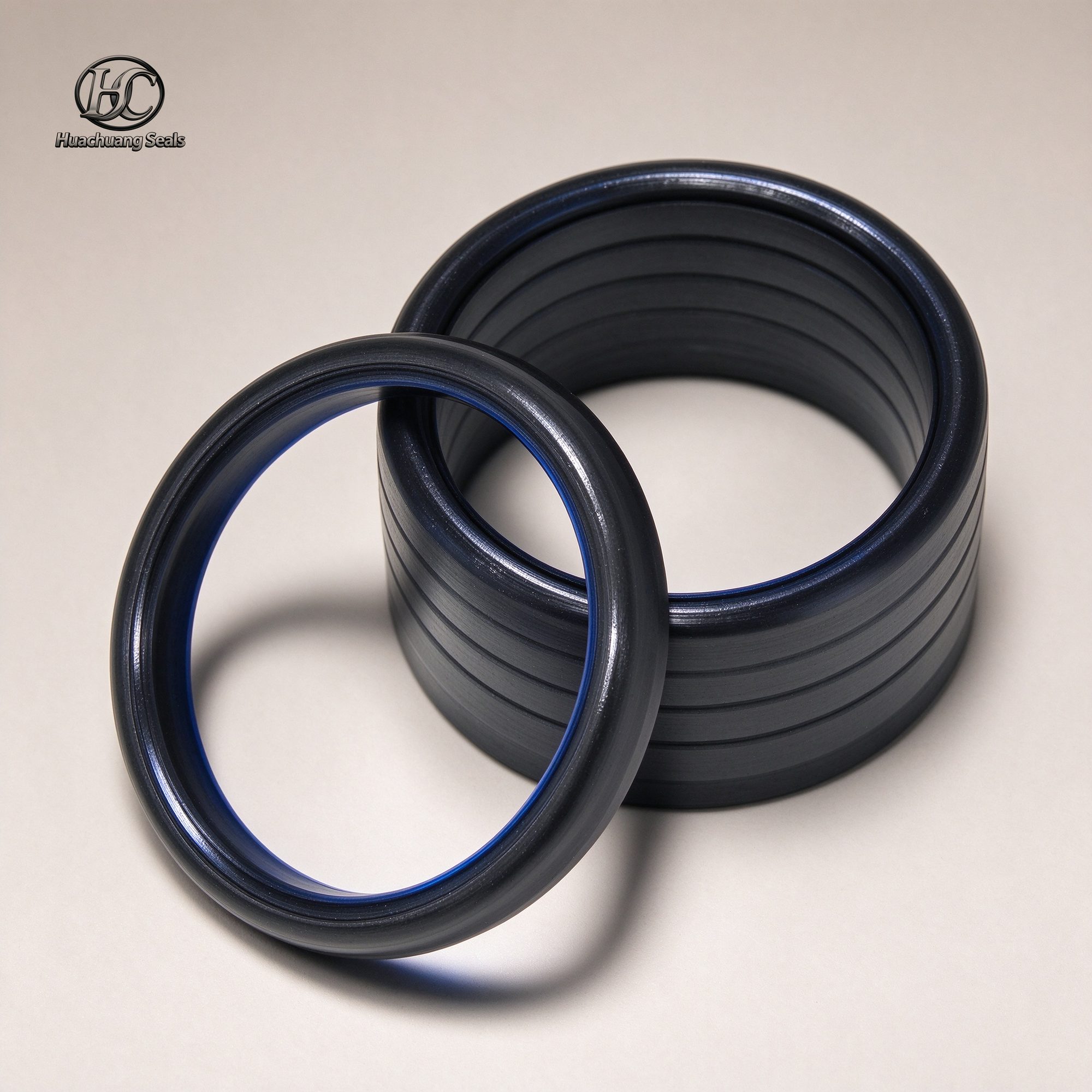
Construction hydraulic cylinders: dust, pressure and side load hit the rod seal together.
FIG. 01Construction application file: control contamination and side load before locking the seal structure.
IndustrySellos para maquinaria de construcción · Sellos industriales↗
02APPLICATION FILE

Oil and gas: media, thermal-pressure cycles and rapid decompression test the seal together.

Pressure rating alone is insufficient. Gas dissolution, rapid decompression, thermal gradients and corrosive media change material limits.

Pressurized gas can enter the material and create blistering, cracking or extrusion during rapid decompression. H2S, CO2, hydrocarbons and cleaning media affect compounds differently.

The route starts with media composition, temperature, pressure cycles and decompression rate, then selects PTFE, spring-energized structures or a compatible elastomer with extrusion support.

Engineering controls
  • Provide gas/liquid composition, concentration, water and contaminants
  • Record thermal gradient, pressure cycles and decompression rate
  • Assess blistering, permeation, extrusion and chemical attack
  • Confirm support structure, groove clearance and orientation
HC PRODUCTS IN THIS CASE

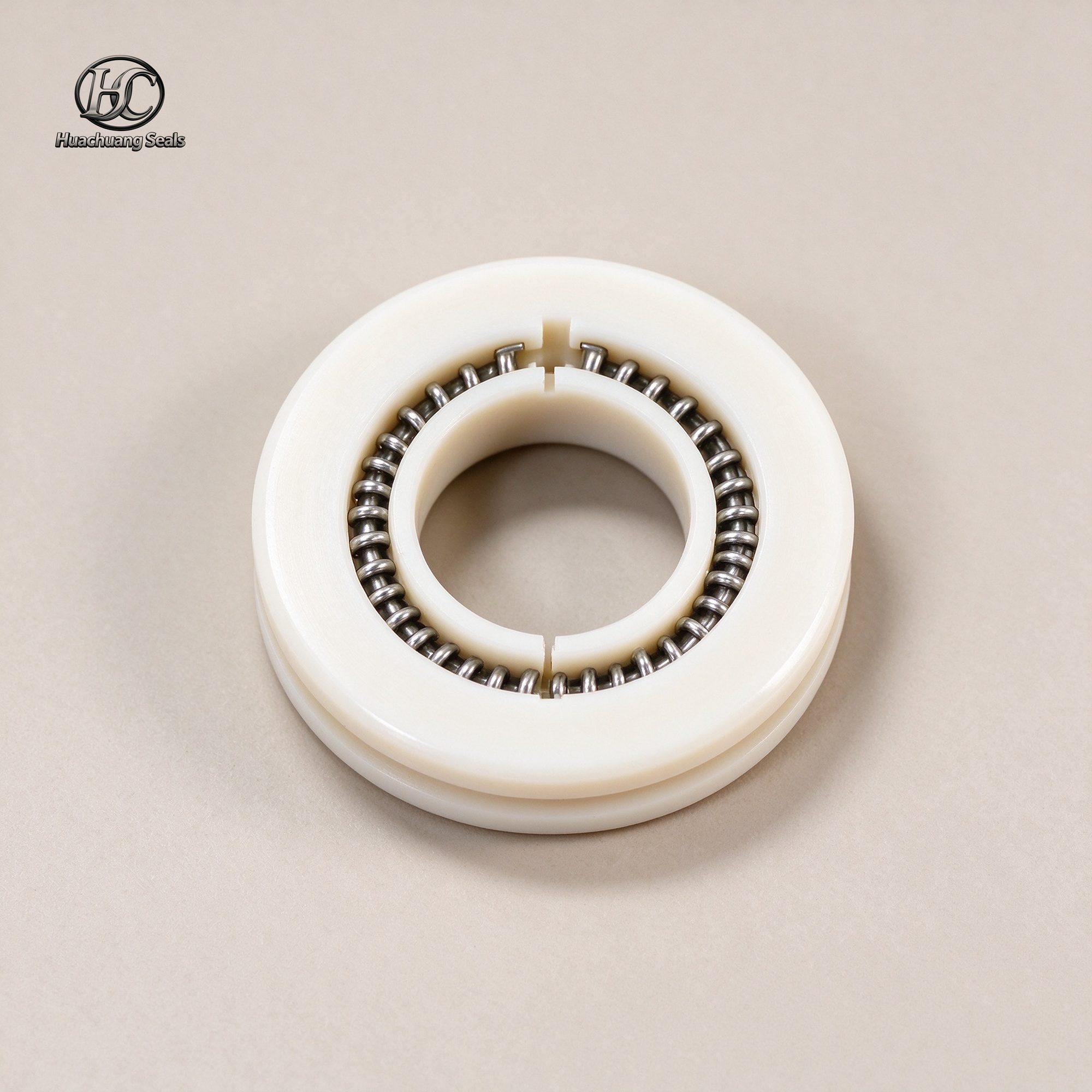
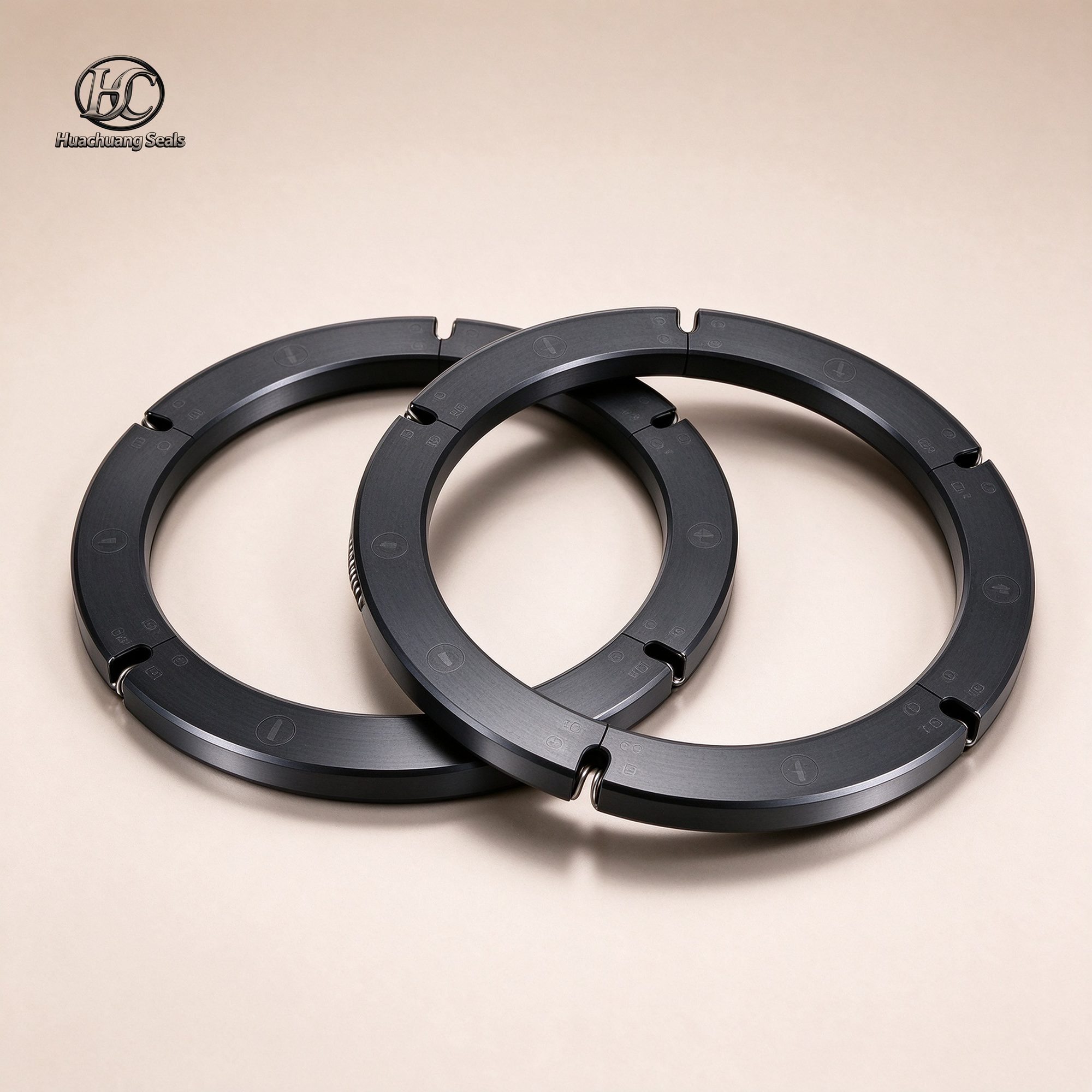
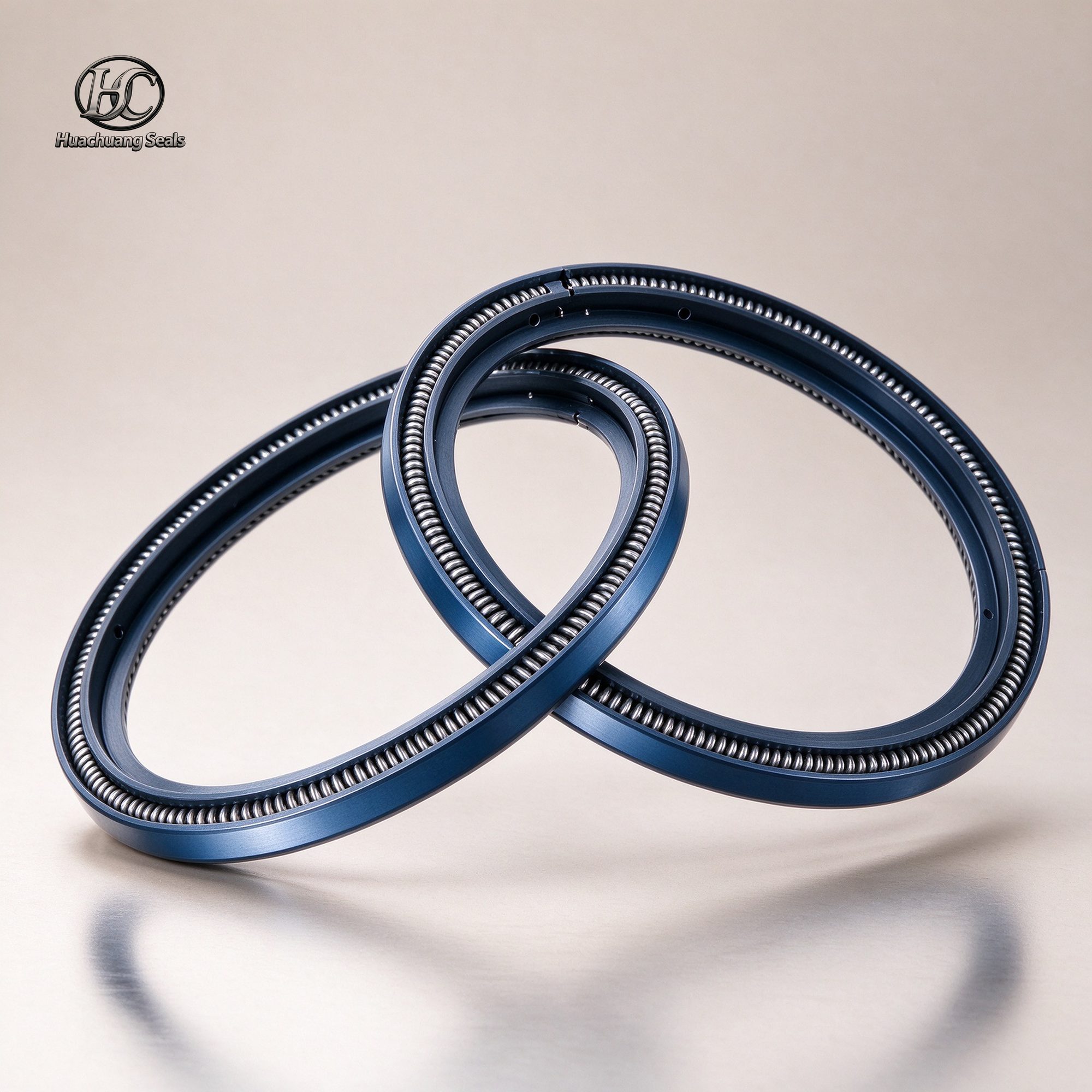
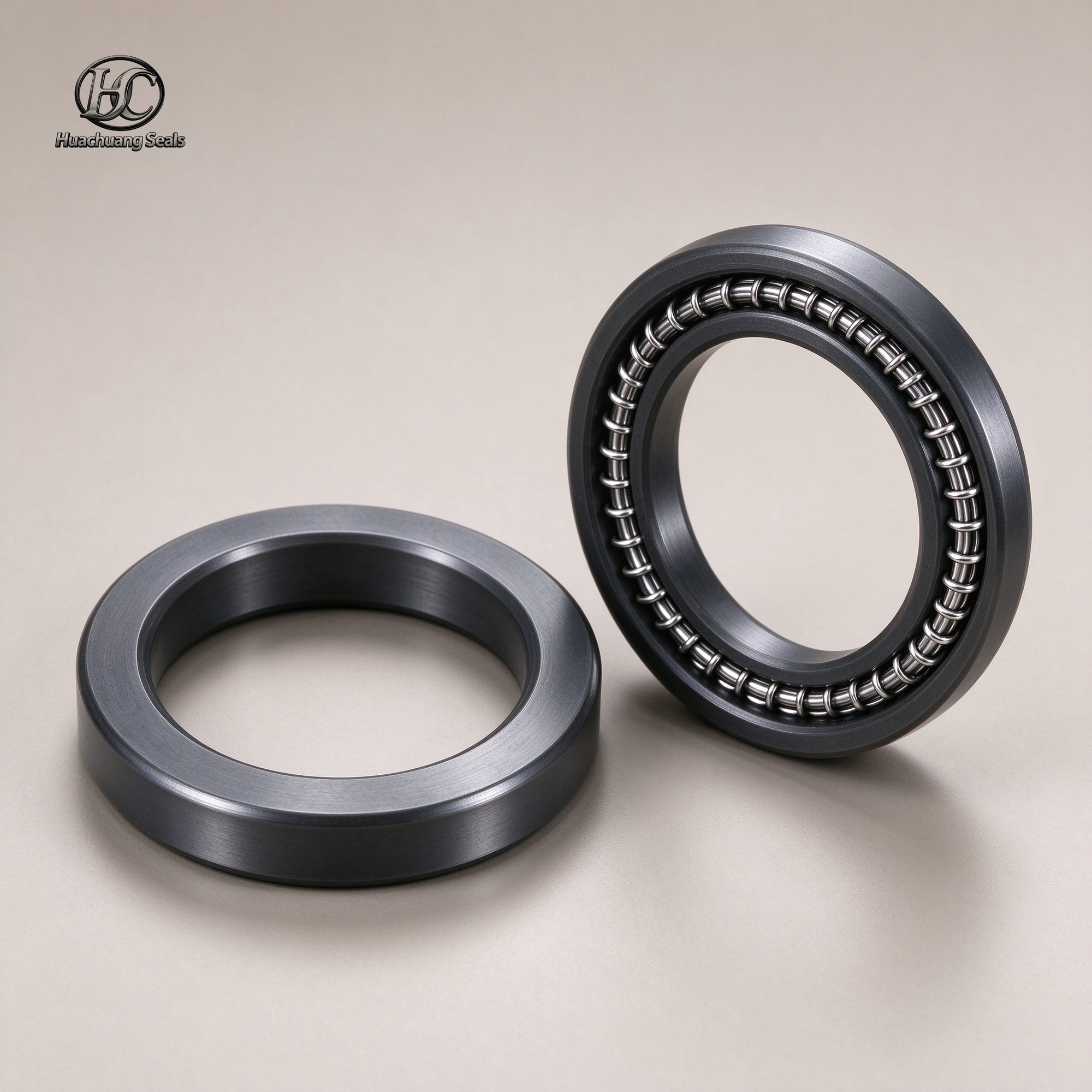
This case is linked to HC-OG-003 Large Spring-Energized Seal and HC-OG-002 Compact PTFE Spring Seal. They serve wellhead valves, high-pressure flanges and oil-gas actuators with PTFE and stainless spring structures for a 45 MPa and -40 to +260 °C window, subject to media and decompression review.

Oil and gas: media, thermal-pressure cycles and rapid decompression test the seal together.
FIG. 02Oil and gas application file: media, thermal-pressure cycles and decompression are one variable set.
IndustrySellos para petróleo y gas · Sellos industriales↗
03APPLICATION FILE

Chemical and energy: corrosion and thermal cycling reject generic compounds.

Chemical media, temperature and cleaning cycles determine whether a material can retain shape, elasticity and sealing preload.

Acids, bases, solvents, steam and cleaning agents can cause swelling, hardening, cracking or permeation. Thermal cycles amplify differences in expansion and compression set, creating cold leakage or hot extrusion.

The route defines media and cleaning sequence first, then screens polymers or elastomers against temperature, pressure, permeation and life. Support ring, groove and envelope are confirmed together.

Engineering controls
  • Define media composition, concentration, temperature and cleaning sequence
  • Check immersion, permeation, swelling and compression set
  • Evaluate thermal cycling, cold start and recovery after cleaning
  • Confirm anti-extrusion structure and maintainability
HC PRODUCTS IN THIS CASE

This case is linked to HC-CH-001 PTFE Rotary Shaft Seal and HC-CH-002 Dual-Spring Energized Seal. The PTFE shaft seal serves chemical pump shafts and rotating equipment; the dual-spring seal serves low-friction chemical reciprocating or static interfaces, covering a 0.3 MPa rotary duty and a -160 to +100 °C low-temperature window.

Chemical and energy: corrosion and thermal cycling reject generic compounds.
FIG. 03Chemical application file: lock media and cleaning process before material screening.
IndustrySellos para la industria química · Sellos industriales↗
04APPLICATION FILE

Automotive and new energy: low friction, cleanliness and batch consistency must hold together.

Automotive sealing is not only temperature resistance. It includes friction, coolant compatibility, low extraction and repeatable production.

Coolants, lubricants and cleaning media change material state through thermal cycles. Tight envelopes around drive systems, thermal management and battery systems make friction, rebound and dimensional stability part of assembly and efficiency.

The route starts with media and temperature profile, then evaluates friction, compression set, particle extraction and assembly tolerance. A sample pass must be followed by batch control.

Engineering controls
  • Confirm coolant/lubricant grade, temperature profile and service interval
  • Evaluate friction, compression set and rebound stability
  • Control assembly tolerance, cleanliness and particles
  • Create a sample-to-production consistency plan
HC PRODUCTS IN THIS CASE

This case is linked to HC-AU-001 Full PTFE Oil Seal B1 and HC-AU-008 FKM Metal-Case Oil Seal. B1 serves automotive pump shafts and rotary sealing points; the FKM case seal serves space-limited shaft ends with a conventional oil-seal duty.

Automotive and new energy: low friction, cleanliness and batch consistency must hold together.
FIG. 04Automotive application file: media compatibility and batch consistency are validated together.
IndustrySellos para automoción · Sellos industriales↗
05APPLICATION FILE

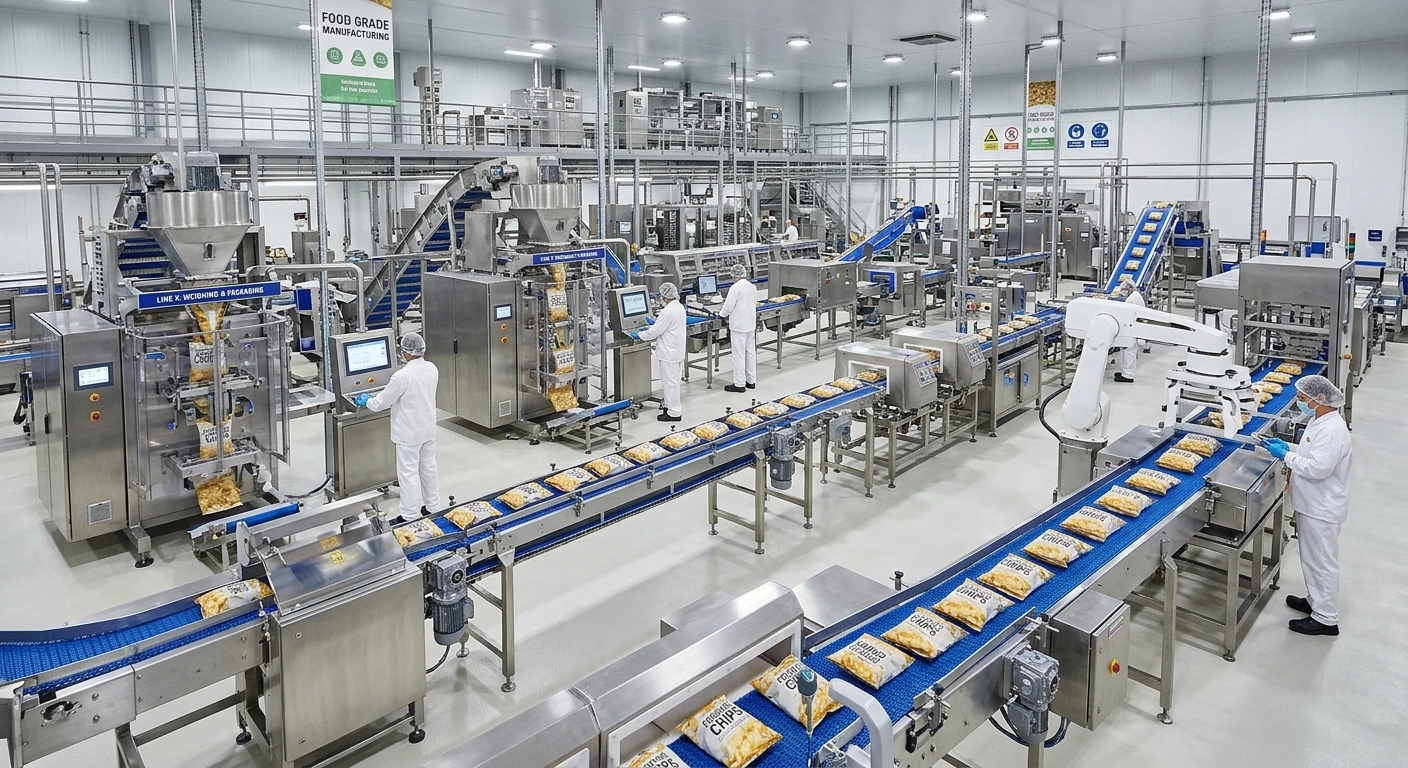
Food and pharma: compliance documents and cleanable geometry matter equally.

A material name is not enough. Cleaning agents, CIP/SIP, temperature, surface geometry and real compliance files decide whether it can be used.

Cleaning and sterilization repeatedly change temperature, pressure and media. Residue can collect in grooves and at seal edges. Food-grade or pharma-grade must map to a specific compound, certificate, market and validity period.

The route confirms contact media, cleaning agents and cycle first, then selects a supported compound and geometry with a traceable material file. No real file means no certification statement.

Engineering controls
  • List contact media, cleaning and sanitizing agents, CIP/SIP
  • Confirm contact-material documents and regulatory scope
  • Assess residue, cleaning dead zones, disassembly and replacement
  • Reconfirm documents after material, color or supplier change
HC PRODUCTS IN THIS CASE

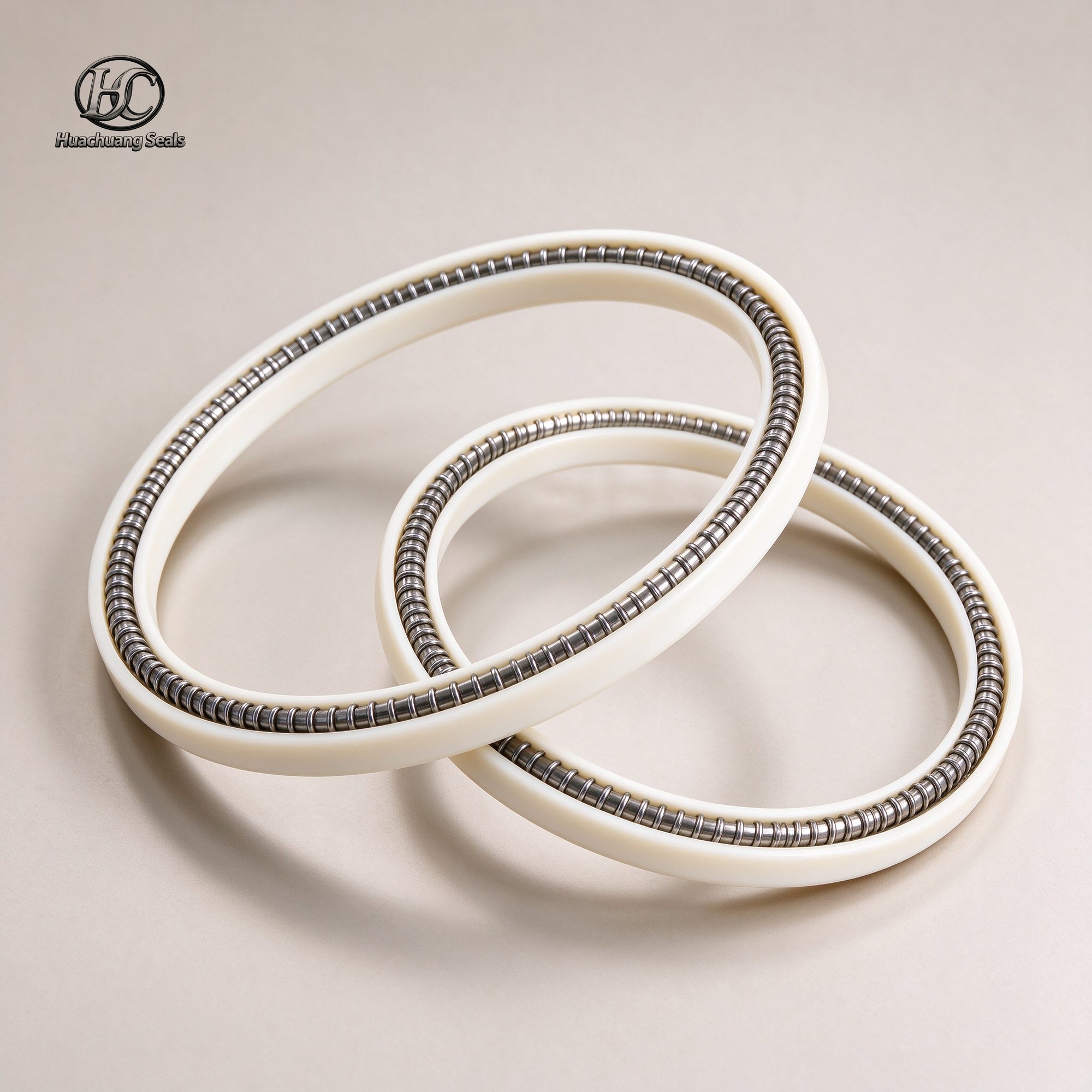
This case is linked to HC-FG-001 PTFE Rotary Shaft Seal and HC-FG-004 Compact Spring Seal 5×8×2.2. They serve cleanable food and pharma pump, valve and actuator interfaces. Food-contact use depends on the actual material compliance file.

Food and pharma: compliance documents and cleanable geometry matter equally.
FIG. 05Food and pharma application file: cleaning conditions and real compliance files must both hold.
IndustrySellos mecánicos para grado alimenticio · Sellos industriales↗
06APPLICATION FILE

Robotics and automation: friction and return error are amplified in small interfaces.

In small actuators, joints and automation modules, seal friction, rebound, eccentricity and contamination are magnified by precision motion.

Low friction is not low leakage. Excessive preload raises heat and wear; insufficient preload loses contact at low pressure or vacuum. Eccentricity, alignment and lubricant volume change real life.

The route locks speed, duty, load, lubrication and cleanliness before selecting low-friction materials, compact sections and stable preload. Cycle and return-error evaluation follow.

Engineering controls
  • Record speed, acceleration, duty and start-stop frequency
  • Measure friction, return error, temperature rise and leakage trend
  • Control eccentricity, alignment and lubricant volume
  • Include cleanliness and particle source in life evaluation
HC PRODUCTS IN THIS CASE

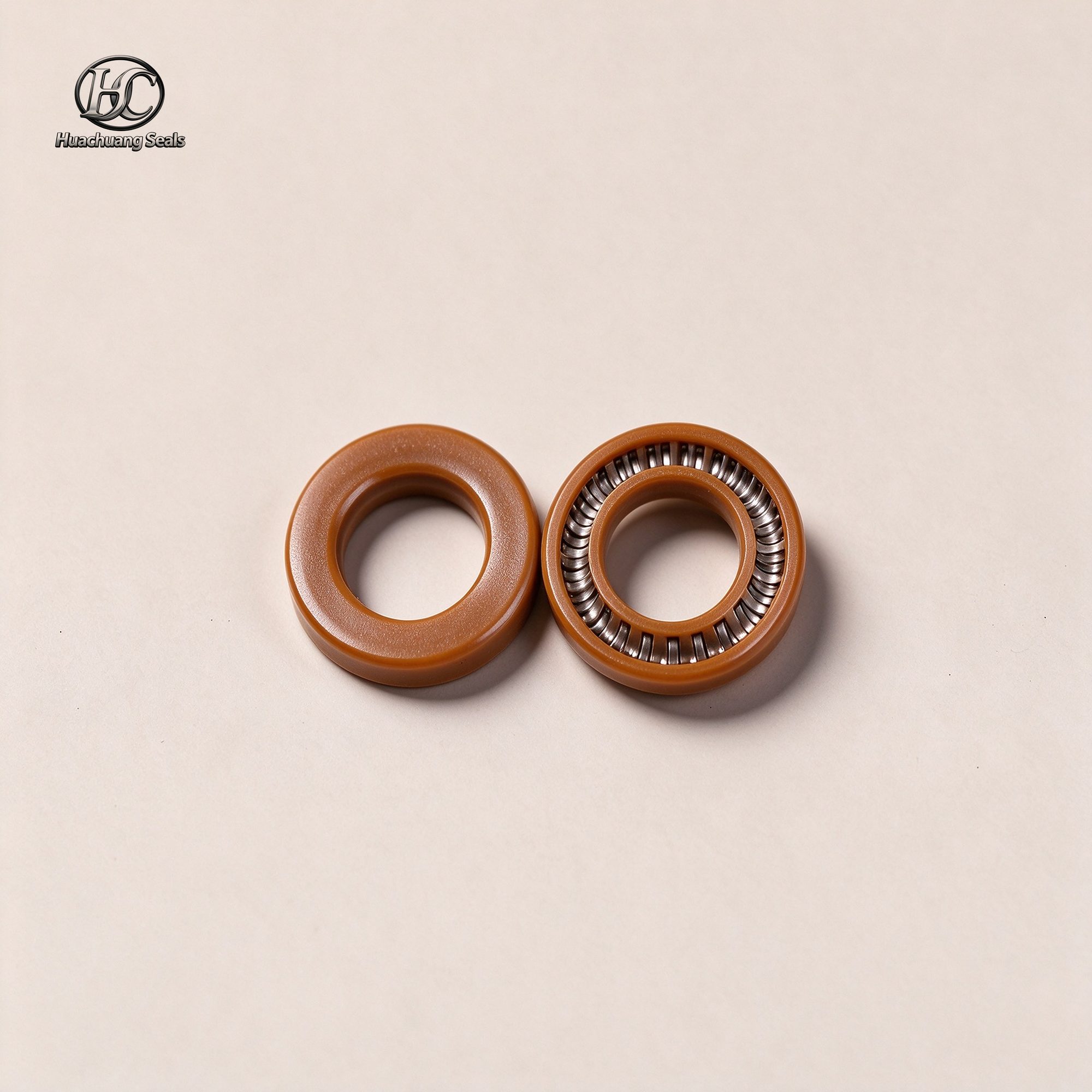
This case is linked to HC-RU-001 PTFE Oil Seal Type B and HC-RU-003 Spring-Energized Seal. They serve robot joints, linear actuators and compact UAV rotary or reciprocating interfaces, with focus on low friction, stable preload, return error and cleanliness.

Robotics and automation: friction and return error are amplified in small interfaces.
FIG. 06Robotics application file: low friction, low leakage and motion accuracy must coexist.
IndustrySellos para drones y robótica · Sellos industriales↗
07APPLICATION FILE

Custom projects: drawing, sample and validation must close the loop.

Custom sealing is not reverse-copying an old part. It is rebuilding interface, duty, material, structure and validation as one chain.

A used part can reveal envelope and wear clues, but it is not the new design standard. Re-measure groove and mating surfaces, confirm media, temperature, pressure and cycles, then define section, material and support.

The sample stage records dimensions, material batch and assembly condition. Trial fit is followed by pressure, temperature, life and teardown validation. Every design change returns to review.

Engineering controls
  • Provide drawings, samples, envelope and used-part photos
  • Confirm media, temperature, pressure, speed and target life
  • Review structure before sample and pilot build
  • Every change repeats material, dimensional and validation review
HC PRODUCTS IN THIS CASE

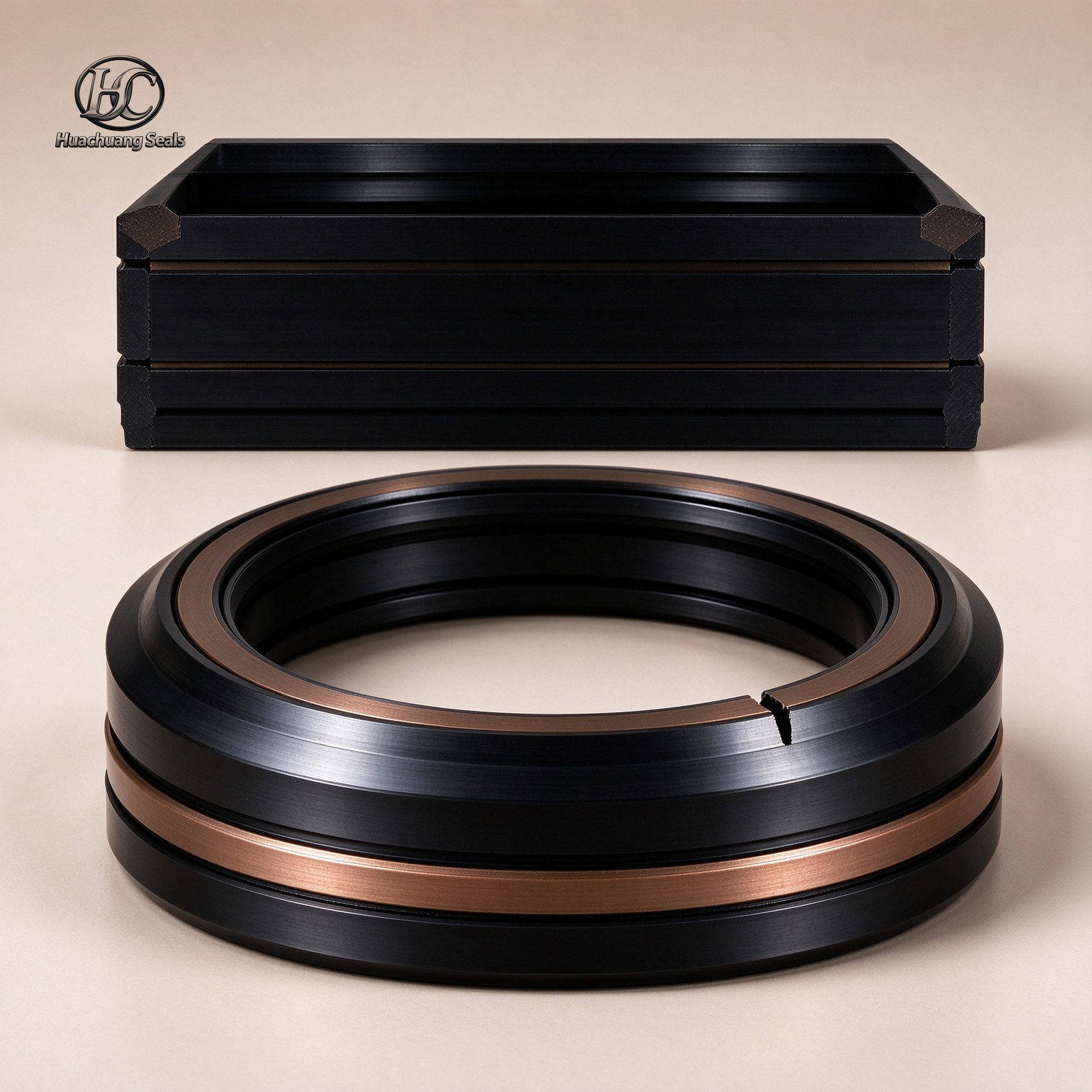
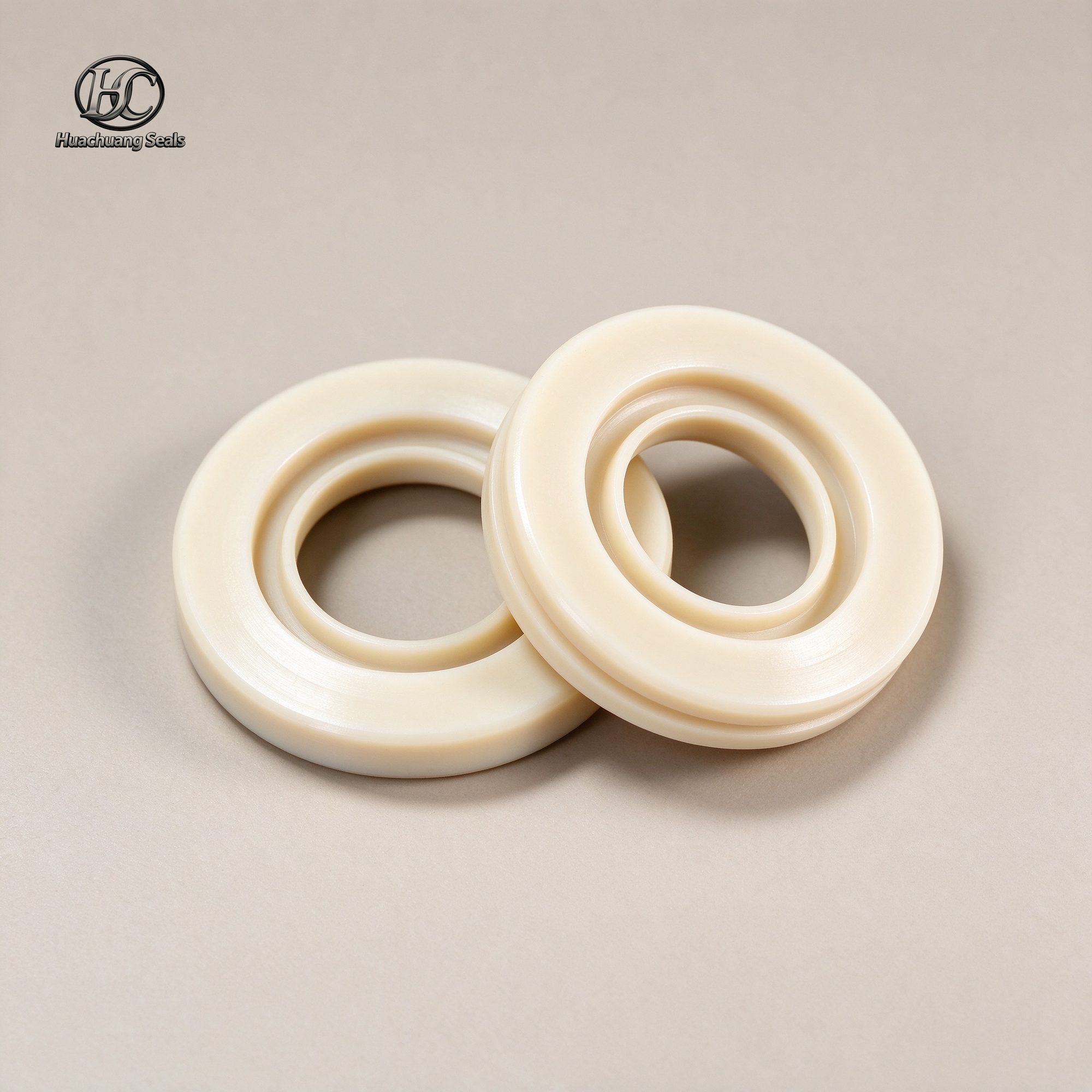
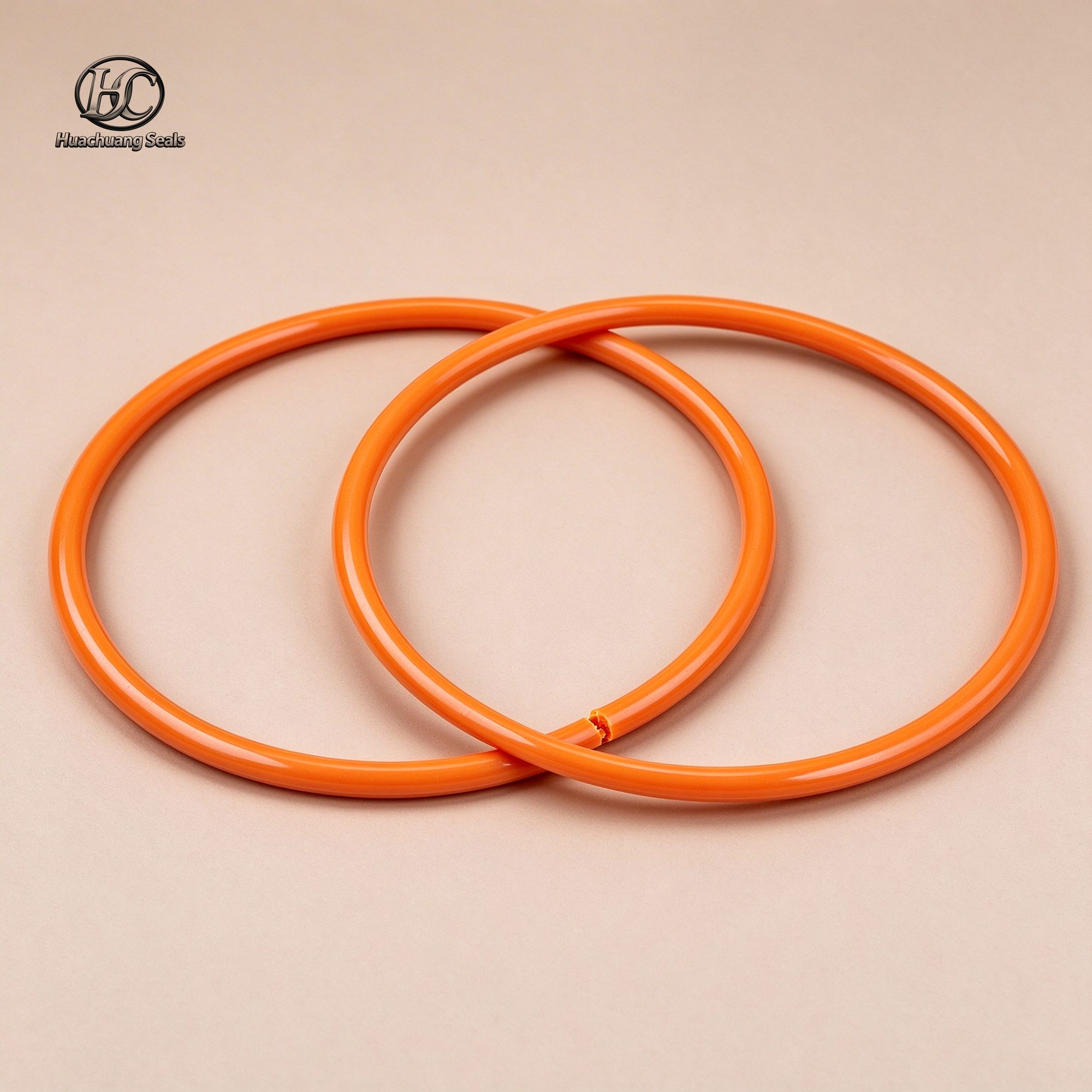
This case is linked to HC-CY-004 Dumbbell Rubber Seal and HC-CY-008 Spring-Energized PTFE Seal Ring. They serve piston or rod interfaces in non-standard hydraulic and pneumatic cylinders, with structure, material and dimensions rebuilt from drawings and samples.

Custom projects: drawing, sample and validation must close the loop.
FIG. 07Custom application file: drawing, sample, material and validation close the loop.
IndustrySellos para cilindros hidráulicos y neumáticos · Sellos industriales↗

Images use existing product, factory and industry assets. Technical conclusions require the actual drawing and duty confirmation.

HC SEALS / ENGINEERING CONTROL

Send the duty and drawing.

Provide media, temperature, pressure peaks, speed, stroke, clearance and surface condition. No duty data means no fabricated conclusion.

Enviar plano ↗